3.2.6. Liquid-Cooled Equipment Requirements
For all Cornelis liquid-cooled equipment, ensure the following:
No solvents or aggressive cleaners may make contact with Cornelis cold plates.
Biocide agents approved for copper/brass/stainless-steel systems may be used. Avoid any biocide containing amines, chlorides, or sulfur compounds that can attack copper microchannels.
Pressure and flow limits must be respected at all times. System pressure at the Switch must remain within Cornelis limits (refer to the following table and figures). Flow rate must not exceed specifications even during purge operations when CDUs sometimes perform high-flow purge cycles.
Table 6. Liquid-Cooled LimitsParameters
Values
Flow Rate, LPM
1.5 – 3.0
Pressure Drop, kPa
Refer to the following figures.
Max Inlet Temperature, °C
45
Delta T, °C
3.0 – 5.0
Net Power, W
730
Note
Guidance for maximum pressure at the system connection for full liquid-cooled variants is 3 Bar.
CDU type must meet the above criteria.
Figure 24. Flow Rate vs. Inlet Fluid Temperature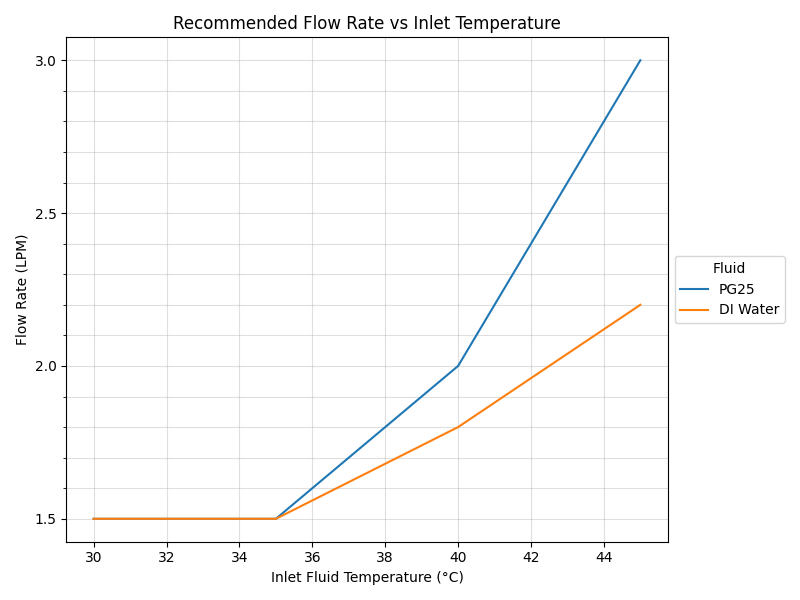 Figure 25. Differential Pressure vs Flow Rate - PG25
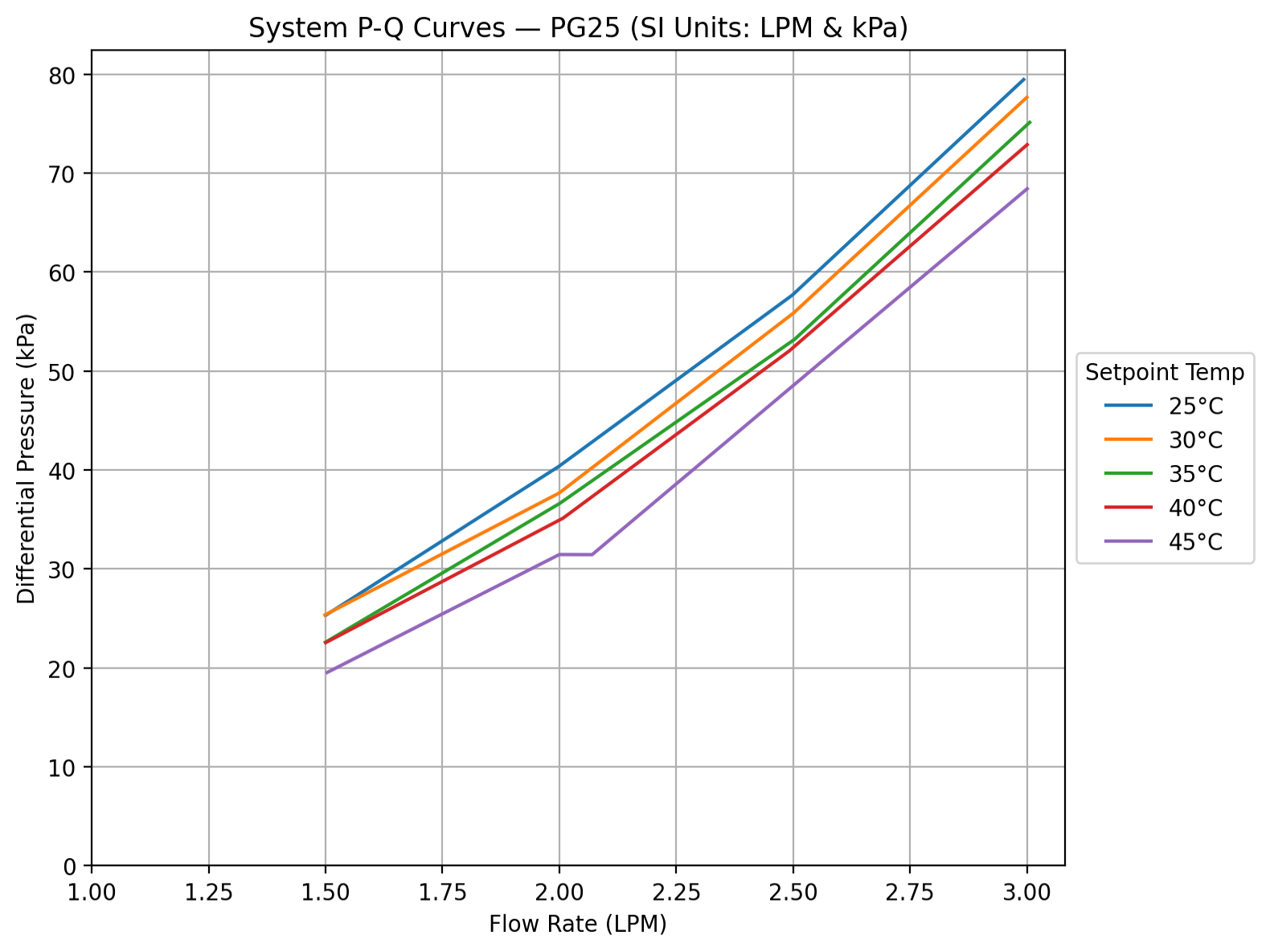 Figure 26. Differential Pressure vs Flow Rate - Deionized Water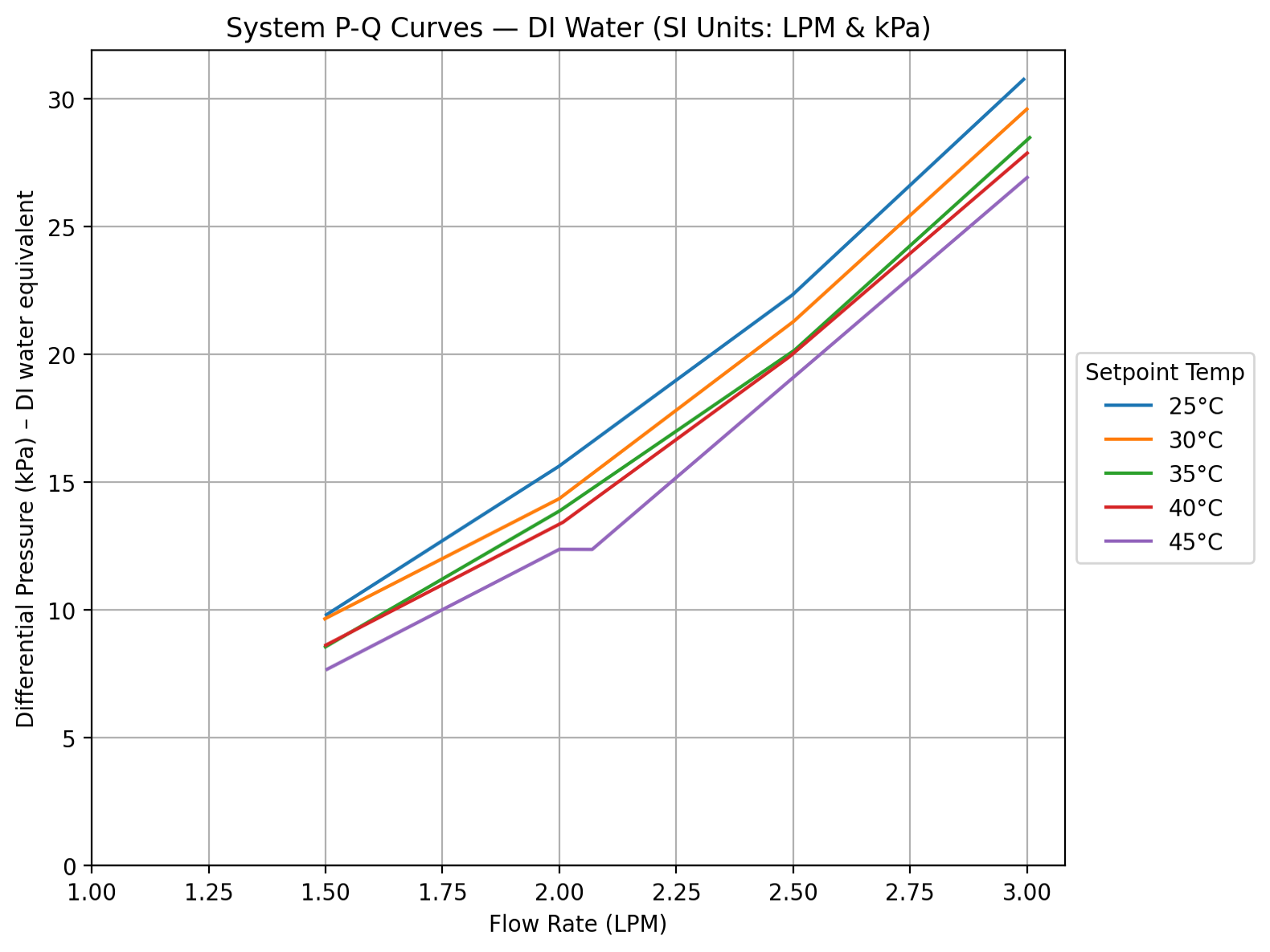
Maintain coolant temperature at less than 45 °C during service flush or recirculation events.
No reverse-flow pressure pulses. CDUs with high-velocity purge modes should be configured so that the Switch is isolated or bypassed during aggressive cleaning cycles.
Perform normal system maintenance without special accommodation, provided fluid chemistry, temperature, flow, and pressure remain within the Cornelis limits (refer to the previous table and figures).
For customers using glycol-based coolants (PG25/EG mixes), in addition to the above, also ensure the following:
Cornelis cold plates and seals are compatible with PG25, ethylene glycol blends, and deionized water. Users must maintain glycol concentration per their facility guidelines—typically 25–35% glycol by volume.
Glycol blends have higher viscosity, especially at low temperatures. Customers must adjust pump settings or CDU balancing to maintain the required flow (> 1.5 LPM nominal per Switch).
Glycol systems typically require corrosion inhibitor maintenance and periodic refractometer verification. Customers must prevent oxygen ingress during these procedures. Glycol oxidizes faster than deionized water. Flushing requires glycol-compatible procedures. Deionized water flushing can be used but must be fully purged before refilling.